
Frank Lloyd Wright
#BirthdayBonusContent

Frank Lloyd Wright (1867-1959), one of the most significant architects of the 20th century, reshaped modern architecture with his philosophy of organic design, emphasizing harmony between human structures and nature. His work continues to influence architects worldwide, with notable projects such as the Fallingwater house and the Guggenheim Museum.
Frank Lloyd Wright was born in Wisconsin in 1867. His early years were shaped by nature, which later influenced his design philosophy. Wright’s education at the University of Wisconsin was brief, but he found mentorship under architect Joseph Lyman Silsbee and later worked for the renowned firm Adler & Sullivan, where he developed his ideas about architecture. Wright broke away from the firm in 1893 to start his practice in Oak Park, Illinois, where he developed his signature Prairie Style.
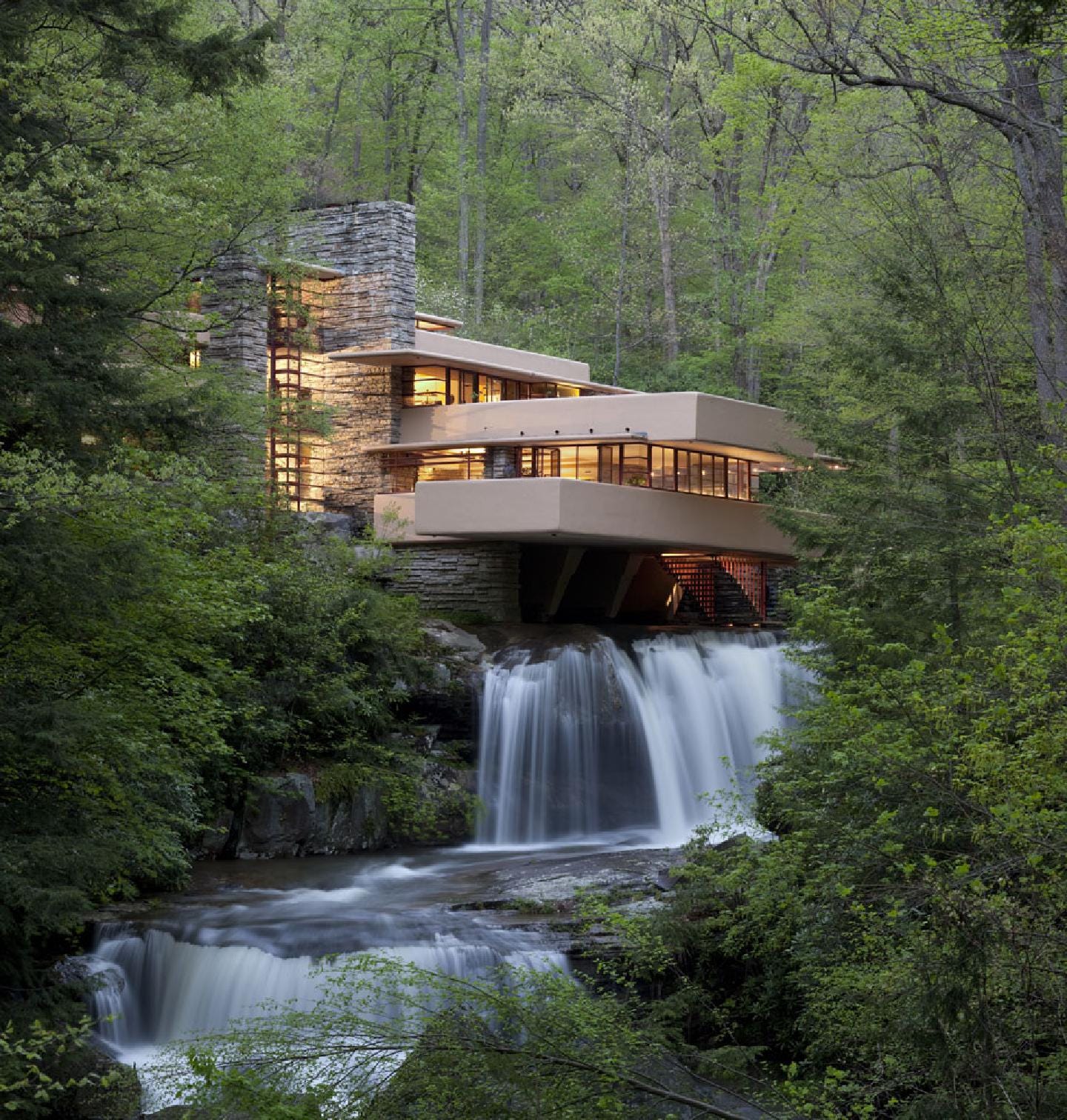
Wright’s primary contribution to modern architecture was his concept of "organic architecture," which sought to create buildings that were in harmony with their surroundings. He believed that buildings should be designed to complement the environment rather than impose on it. This philosophy is exemplified in his design of Fallingwater (1935), a home built over a waterfall in Pennsylvania, where the structure blends seamlessly with the natural surroundings.
Wright’s use of natural materials like stone and wood, coupled with his belief that architecture should be functional, transformed modern architectural principles. His designs often featured open floor plans, horizontal lines, and expansive windows to allow natural light and views of nature. These elements became hallmarks of his style, seen in both his residential and commercial works.


Wright’s extensive career produced some of the most iconic buildings in modern architecture. One of his early masterpieces, Unity Temple (1908), revolutionized church design with its use of reinforced concrete and open, airy interior spaces. His Prairie Style homes, such as the Robie House (1910), embraced horizontal lines and open interiors, rejecting the traditional compartmentalized Victorian architecture.
Perhaps his most famous residential design is Fallingwater (1935), where he integrated the house into the waterfall and surrounding forest. The cantilevered structure is an embodiment of Wright’s organic architecture principles, blending the built environment with nature.
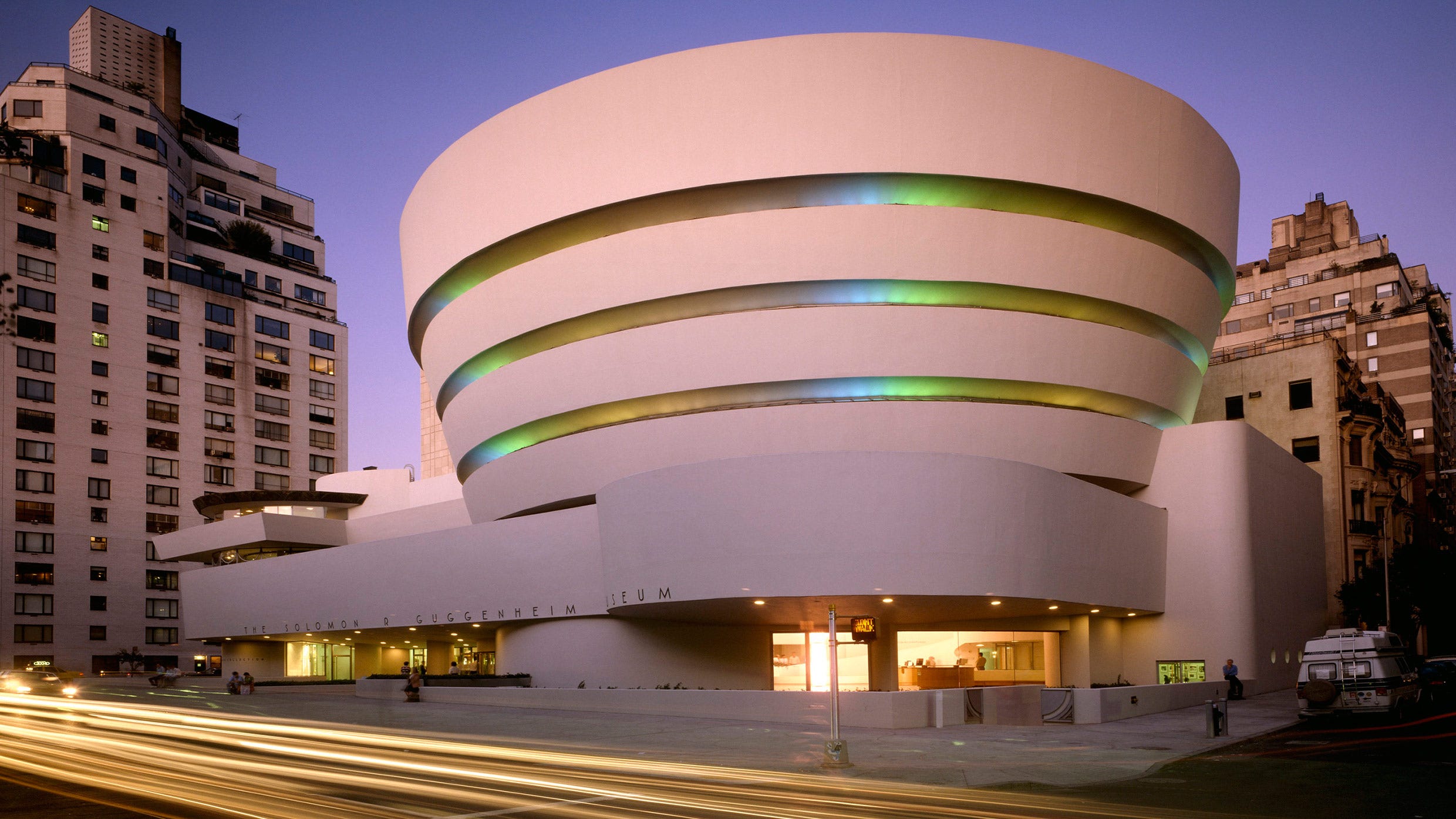
Wright’s commercial work is equally groundbreaking. The Guggenheim Museum (1959) in New York City, with its spiraling ramp and open atrium, challenged conventional museum layouts and created an immersive experience for viewing art. The building’s radical design remains an architectural icon today.
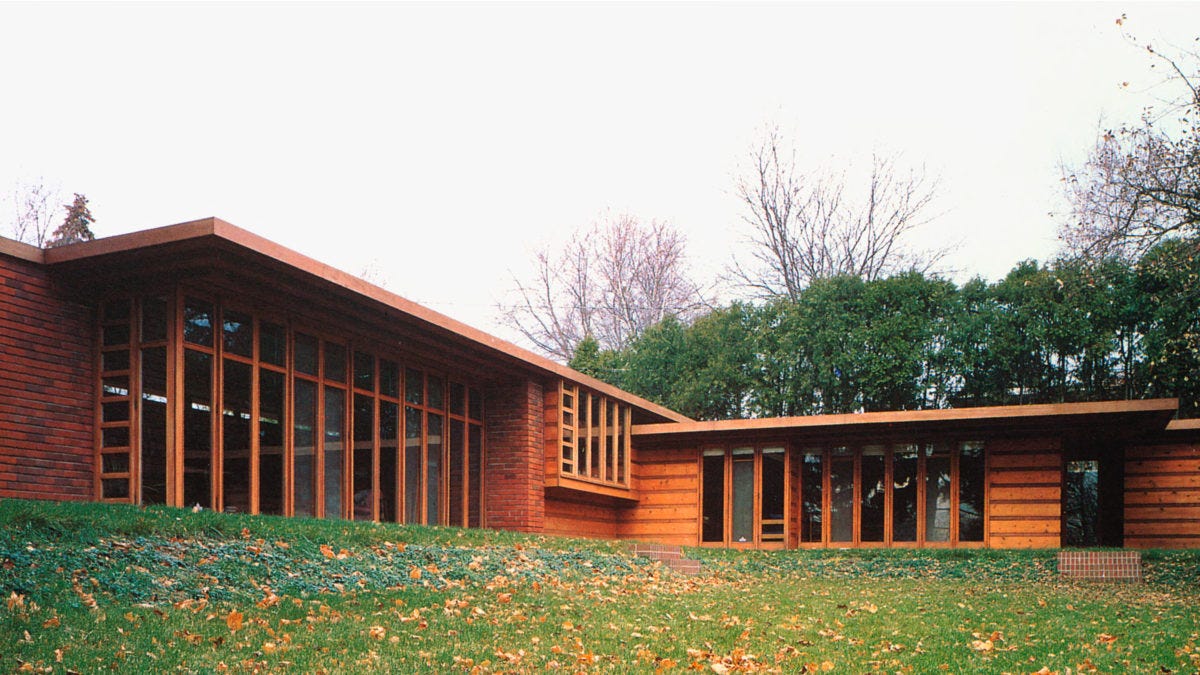
In response to the economic challenges of the Great Depression, Wright developed the concept of Usonian homes in the 1930s. These homes were intended to be affordable for middle-class Americans while maintaining the principles of organic architecture. Usonian homes featured simplified floor plans, flat roofs, and extensive use of natural materials. Wright designed several such homes, including the Jacobs House (1937), which became prototypes for suburban housing in post-World War II America.
Frank Lloyd Wright’s influence on modern architecture cannot be overstated. His ideas about open spaces, the use of natural materials, and the integration of structures with the environment have shaped the way architects approach design. Wright’s commitment to designing functional, beautiful buildings that serve the needs of their inhabitants remains a guiding principle for many architects today.
Architects like Richard Neutra, Ludwig Mies van der Rohe, and Le Corbusier were contemporaries of Wright, but his approach to blending nature with design set him apart from the International Style's stark minimalism. His legacy can be seen in the work of contemporary architects such as Frank Gehry, Zaha Hadid, and Norman Foster.
Wright's influence extends beyond architecture. His ideas about design as a holistic process led him to create furniture, textiles, and even graphic designs for his buildings. This total design approach was a precursor to modern industrial design and influenced the creation of multi-disciplinary design firms.
Frank Lloyd Wright's career spanned over seven decades, during which he reshaped the landscape of modern architecture. His commitment to organic architecture, seen in works like Fallingwater and the Guggenheim Museum, revolutionized how architects think about space, form, and the relationship between buildings and their environments. Wright’s legacy endures not only in the structures he left behind but in the principles of design that continue to inspire architects worldwide.
References
Levine, Neil. The Architecture of Frank Lloyd Wright. Princeton University Press, 1996.
Storrer, William Allin. The Frank Lloyd Wright Companion. University of Chicago Press, 2006.
Wright, Frank Lloyd. An Autobiography. Horizon Press, 1943.
Twombly, Robert. Frank Lloyd Wright: His Life and His Architecture. Wiley, 1987.
Pfeiffer, Bruce Brooks. Frank Lloyd Wright. Taschen, 2011.
https://www.nationalmssociety.org/#open-donate-modal-23
A friend and I snuck onto the Fallingwater property in the fall some decades ago (1980?). At that time there was no apparent security. Breathtaking is far from sufficient to describe the feeling of seeing the home immersed in its natural setting with the leaves changing color and the branch of the Bear Run river running beneath it. The house was empty and we were able to climb up on the walkways and peer through the windows. Such a beautiful and unforgettable experience.